What Goes Into a School Robotics Lab Budget
A robotics lab costs more than its kits. A practical breakdown of every cost to plan for, the ones schools most often forget, and the ways schools fund them.
By the Univerzia AI team2 min read
"How much does a robotics lab cost?" is one of the first questions school leaders ask, and the honest answer is that it depends on your students, your space and what you want them to achieve. What we can do is show you every part of the budget, so the quote you get, from us or anyone else, can be compared properly.
One-time costs
- Space preparation: electrical points, lighting, ventilation and any minor civil work.
- Furniture: sturdy group tables, storage cupboards and parts organisers. Storage is easy to under-budget.
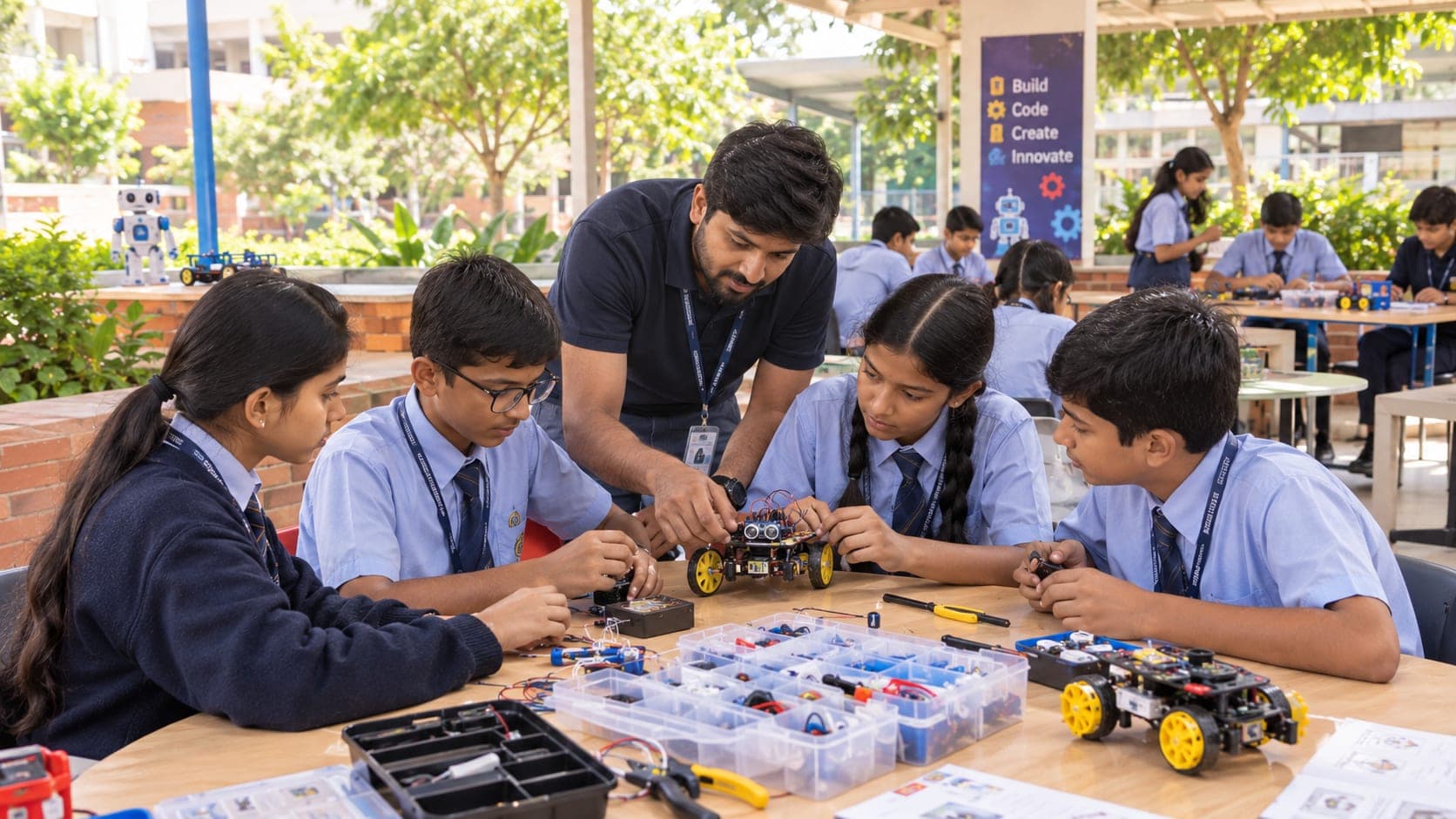
- Robotics and electronics kits: usually bought per group of three to four students rather than one per student.
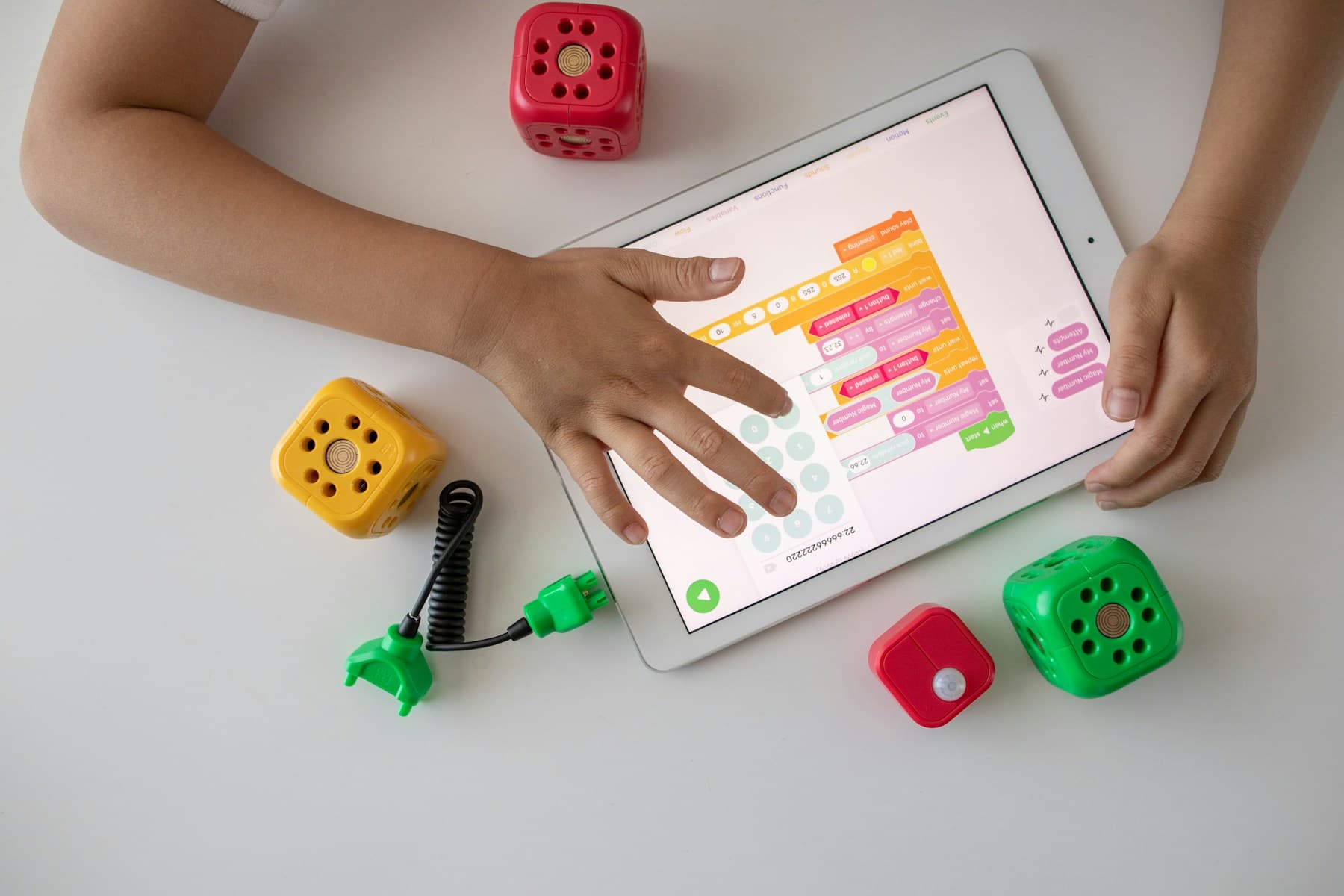
- Computers or tablets: enough devices for every group to code at the same time.
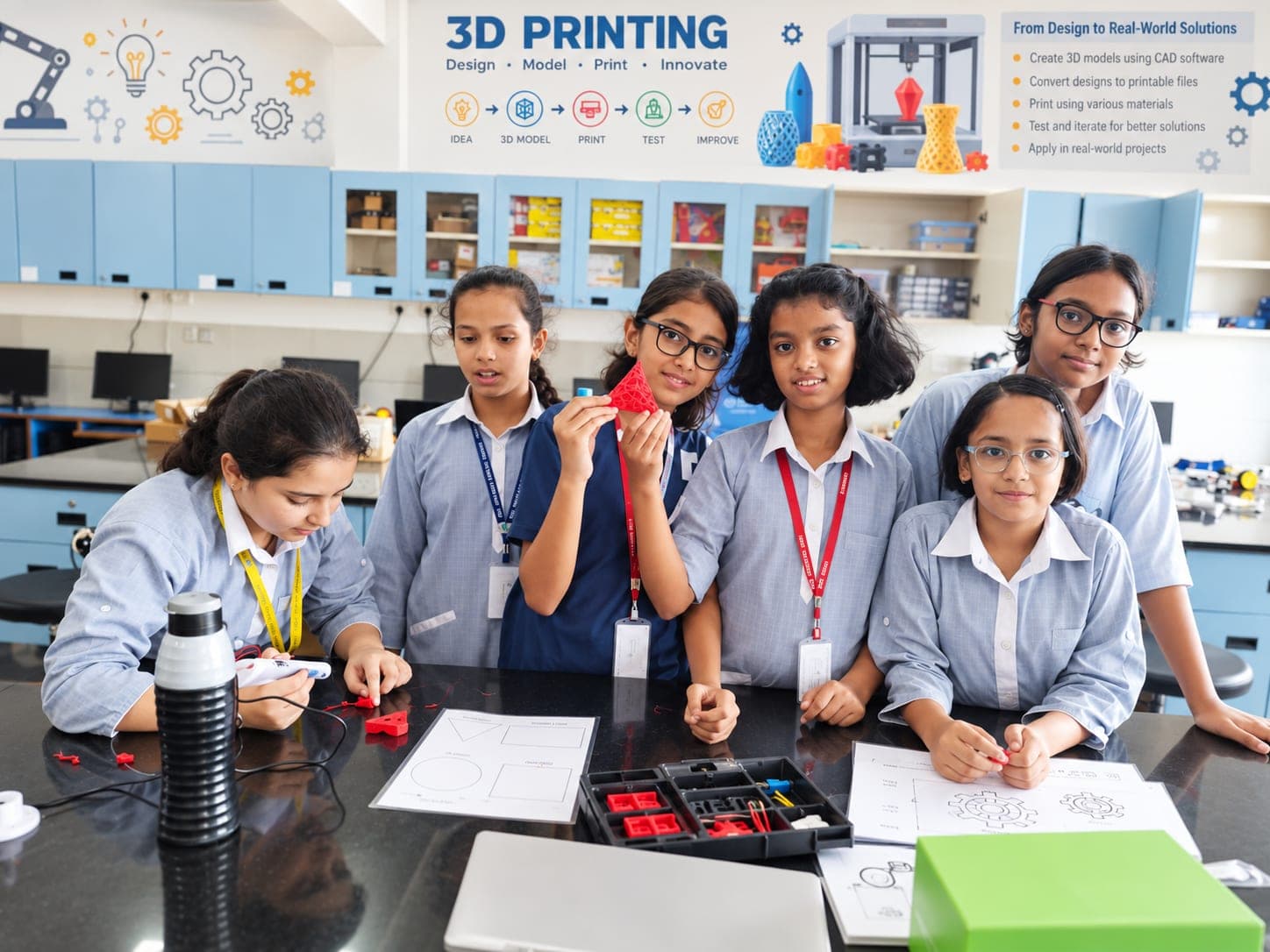
- Fabrication tools: a 3D printer, hand tools and a soldering station if older students will build their own circuits.
- Safety equipment: first aid, safety glasses and clear signage.
Recurring costs schools often forget
- Consumables: batteries, wires, sensors, 3D printing filament and small parts that wear out or get lost.
- Replacements and repairs: motors and boards fail with heavy use, so keep a small spares budget.
- Software and platform subscriptions: coding tools, simulation software or a learning platform.
- Teacher training: initial training, plus refreshers when staff change.
- Curriculum and support: lesson plans, project guides and someone to call when things go wrong.
- Competitions and events: registration, travel and materials for showcase projects.
The cheapest lab isn't the one with the lowest quote
A lab that's used every week for five years costs far less per student than a cheaper one that's used for a term. Compare quotes on what's included over several years, not just on the kit price.
Questions to ask any provider
- 1Is the quote itemised, so we can see what we're paying for?
- 2How many students can work at once, and in what group size?
- 3Is a grade-wise curriculum included, and is it mapped to our board?
- 4How much teacher training is included, and what happens when a teacher leaves?
- 5What do consumables and replacements cost each year?
- 6What support is included after installation, and for how long?
Ways schools fund a lab
- The school's own budget, often phased over two or three years.
- The Atal Tinkering Lab scheme, for eligible schools selected by the Atal Innovation Mission.
- PM SHRI, for government schools selected under the scheme, which includes labs and smart classrooms.
- CSR funding from companies, many of which support education projects in their communities.
Phasing makes it manageable
Many schools start with one grade band and a core set of kits, prove the program works, then expand. A phased plan spreads the cost and lets you learn what your students actually use before buying more.
If you'd like an itemised plan for your school, we're happy to prepare one based on your grades, student numbers and space, with no obligation.
Planning something like this for your school?
Tell us about your grades, space and goals, and we'll show you how it could work in your school.